

Why Sitting Hurts and What You Can Do About It
When the Seat Becomes the Enemy: A Real-World Wake-Up Call
One man’s prolonged pelvic pain was linked to chronic cycling, which led to scar tissue compressing a pelvic nerve, causing intense discomfort when sitting. Conventional scans missed it, and only a specialist recognized the issue: pudendal nerve compression. This story highlights how prolonged pressure and repetitive stress can silently damage pelvic nerves, even if they don’t show up on imaging.
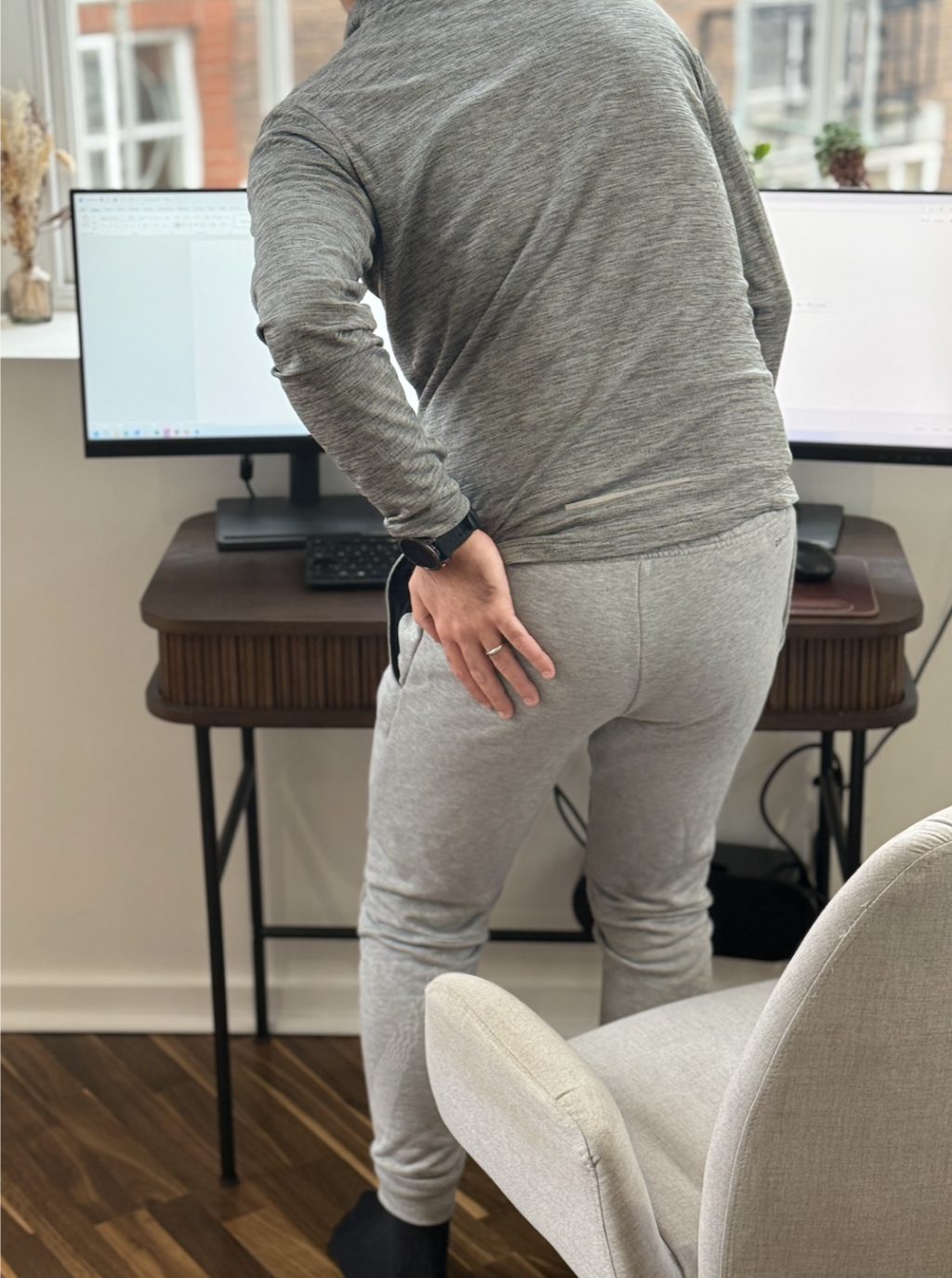
Scientific Perspective: How Sitting Impacts Pelvic Health
Hypertonic Pelvic Floor: Business Insider notes that many men unknowingly develop a tight, overactive pelvic floor, triggering urinary, sexual, and bowel issues. Stress, posture, and even lifting mechanics can contribute
Sedentary Risks Amplified: A urologist highlighted that in 2–9% of British men, chronic pelvic pain stems from tight pelvic floors worsened by sedentary, stressful lifestyles. Up to 80% showed muscles that fail to relax
Pressure on Nerves: Mayo Clinic and other sources confirm that sitting, cycling, or repeated compression can irritate the pudendal nerve, resulting in persistent pelvic discomfort
So, Why Does Sitting Hurt?
How It Affects You
Pelvic Floor TensionSitting increases pressure, triggering overactivity in already tense muscles.Nerve EntrapmentPressure on the pudendal nerve from sitting, cycling, or scar tissue can cause pain, numbness, or burning.Stress & Poor PostureAmplifies both muscle and nerve dysfunction, especially with prolonged sitting.
How Physiotherapy Can Help, Evidence-Based Solutions
Pelvic Floor Relaxation & Coordination
Helps retrain overactive muscles to relax and respond effectively during posture changes or movement.Manual Therapy & Scar Mobilization
Especially useful when scar tissue (e.g., from injury or repetitive impact) contributes to nerve compression.Postural & Ergonomic Adjustments
Using consensus-backed tools like ergonomic seat cushions (e.g., donut or wedge designs) can significantly reduce perineal pressureMovement & Load Modulation
Incorporating frequent posture changes, breaks from sitting, and adapting daily activities.Breathing & Nervous System Regulation
Techniques that calm the nervous system improve pain thresholds and muscular coordination.
Don’t Dismiss Sitting Pain, Especially If…
Pain intensifies when sitting but eases when standing or sitting differently (e.g., on a toilet seat).
You experience numbness, burning, or heaviness in the perineal area.
Cycling or seated activity consistently triggers discomfort.
You're dealing with tightness after routine activities rather than acute injury.
Sitting may feel harmless but for some men, it can trigger, trigger or worsen pelvic pain. The combination of modern sedentary lifestyles and pelvic floor tension make it a hidden health issue. With proper physiotherapy, ergonomic support, and posture awareness, most can regain comfort and confidence.
✨ Experiencing pelvic pain when sitting? Get in touch with our men’s pelvic health physiotherapists at Renard Clinic for compassionate, evidence-based help.