ACL Injury Rehab: Step-by-Step Guide to Returning to Sport
An ACL (anterior cruciate ligament) tear is one of the most challenging injuries for athletes. Surgery is often just the beginning, the real work happens in rehabilitation. A structured, evidence-based approach is key to regaining strength, stability, and confidence on the field.
Here’s a step-by-step guide to ACL rehab and safe return to sport.
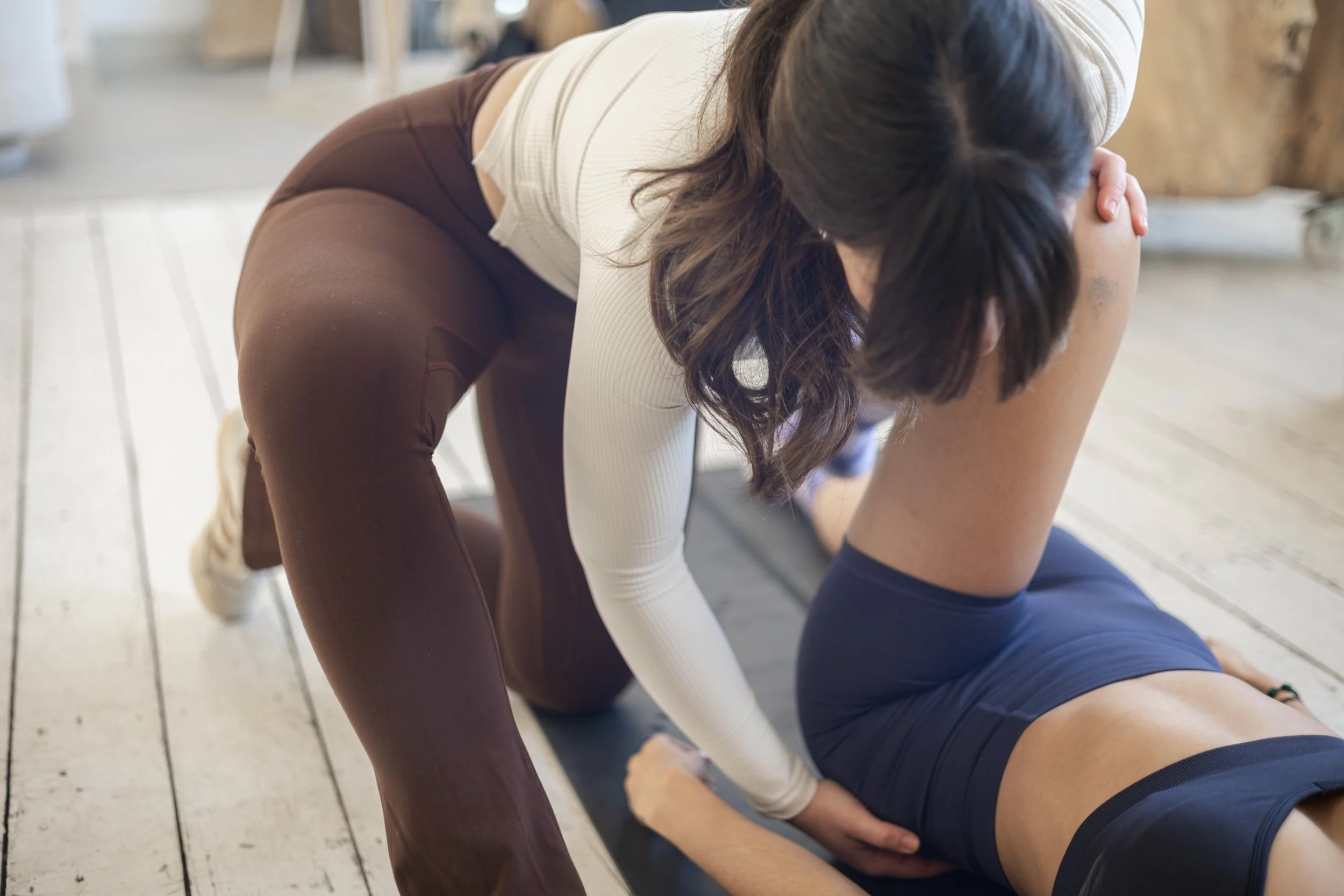
knee ACL
Why ACL Rehab Matters
Protects the new graft or healing tissue
Restores mobility and strength
Rebuilds neuromuscular control and balance
Reduces risk of re-injury (which is highest in the first 2 years)
Improves confidence and performance
👉 Research shows athletes who complete a full rehab program are far more likely to return to sport, and stay there, compared to those who stop early.
Step 1: Early Recovery (0-6 Weeks)
Goals: protect the graft, reduce swelling, regain basic movement.
Pain and swelling control (ice, elevation, compression, physio guidance)
Restore knee extension (straightening) as priority
Gentle flexion exercises
Quadriceps activation (e.g. quad sets, straight leg raises)
Walking with crutches, progressing to normal gait
Step 2: Strength and Mobility (6-12 Weeks)
Goals: rebuild muscle and joint control.
Progressive strengthening: quads, hamstrings, glutes
Closed-chain exercises (mini-squats, step-ups)
Core and hip stability work
Stationary bike for cardio
Balance training on stable surfaces
Step 3: Neuromuscular and Functional Strength (3-6 Months)
Goals: restore dynamic stability and movement patterns.
Heavier resistance training (lunges, split squats, deadlifts)
Single-leg control exercises
Plyometric preparation (mini hops, controlled jumps)
Advanced balance drills (unstable surfaces, sport-like positions)
Step 4: Return-to-Running & Agility (6-9 Months)
Goals: reintroduce controlled impact and sport skills.
Treadmill or outdoor running (gradual intervals)
Jump training: vertical, horizontal, rotational
Cutting, pivoting, and agility drills
Sport-specific drills with increasing intensity
👉 Research recommends athletes pass return-to-run criteria (strength symmetry, no swelling/pain, good movement mechanics) before progressing.
Step 5: Return to Sport (9, 12+ Months)
Goals: restore full performance and prevent re-injury.
High-intensity plyometrics
Full change-of-direction and contact drills
Strength and endurance testing (≥90% symmetry with uninjured leg)
Psychological readiness screening (confidence, fear of re-injury)
Rehab after an ACL injury is a marathon, not a sprint. By following a step-by-step, evidence-based program, you’ll give yourself the best chance of returning stronger, faster, and more resilient.
✨ Recovering from an ACL injury? Book your session with our sports physiotherapists at Renard Clinic and get a tailored, evidence-based rehab plan for safe return to sport.