Torn Meniscus: How Physio Can Get You Back to Fitness
A torn meniscus is one of the most common knee injuries, especially in athletes and active adults. For years, surgery was seen as the “go-to” solution. But research now shows that in many cases, physiotherapy can be just as effective as surgery in getting people back to fitness.
What Is a Meniscus Tear?
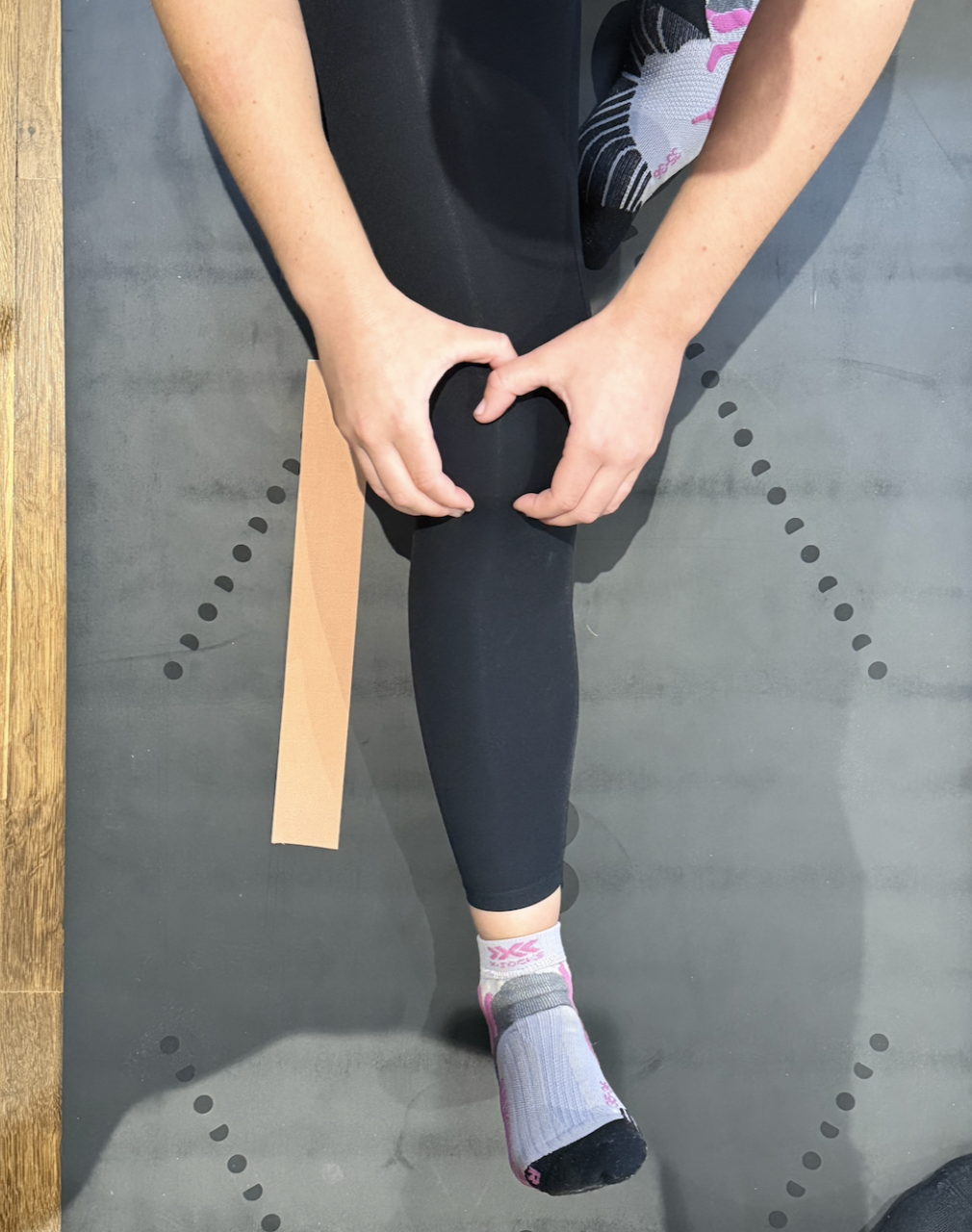
The meniscus is a C-shaped piece of cartilage that cushions and stabilises the knee. Each knee has two menisci, medial (inside) and lateral (outside).
A tear can happen:
Suddenly (twist or pivot injury in sport)
Gradually (degenerative changes with age or overload)
Common Symptoms of a Torn Meniscus
Pain along the knee joint line
Swelling or stiffness after activity
Clicking, locking, or catching
Reduced range of motion
Feeling of instability in the knee
👉 Not all meniscus tears cause severe symptoms, and not all need surgery.
Surgery or Physiotherapy? What the Evidence Says
For degenerative meniscus tears (age-related), studies show physio can be as effective as arthroscopy for pain and function.
For traumatic tears (e.g. in younger athletes), surgery may be considered, especially if the knee locks or blocks movement.
Rehab-first approach: Many guidelines recommend trying structured physiotherapy before surgery, unless there is a mechanical block.
How Physiotherapy Helps
Physiotherapy focuses on restoring strength, stability, and mobility:
1. Reduce Pain and Swelling
Early mobility, ice, and swelling management
Manual therapy if stiffness is present
2. Restore Range of Motion
Gentle bending and straightening exercises
Stretching surrounding muscles (hamstrings, calves, quads)
3. Strengthen Muscles Around the Knee
Quadriceps (front thigh) and hamstrings (back thigh)
Glutes and hips for better knee alignment
Calves for shock absorption
4. Improve Balance and Proprioception
Single-leg stance, wobble board drills
Dynamic balance to prevent re-injury
5. Sport-Specific Rehab
Plyometrics, agility, and return-to-running drills
Gradual reintroduction of cutting, pivoting, and jumping (if required for your sport)
When Surgery May Still Be Needed
Locking or catching that won’t resolve
Large tears in younger athletes
Failed conservative rehab after several months
Even after surgery, physio is essential for recovery and safe return to activity.
A torn meniscus doesn’t always mean surgery, and it doesn’t mean the end of your sport. With evidence-based physiotherapy, you can restore strength, stability, and confidence, often without the need for an operation.
✨ Dealing with a meniscus tear? Book a consultation with our sports physiotherapists at Renard Clinic to start your tailored rehab program.