Returning to Exercise After Birth: How and When
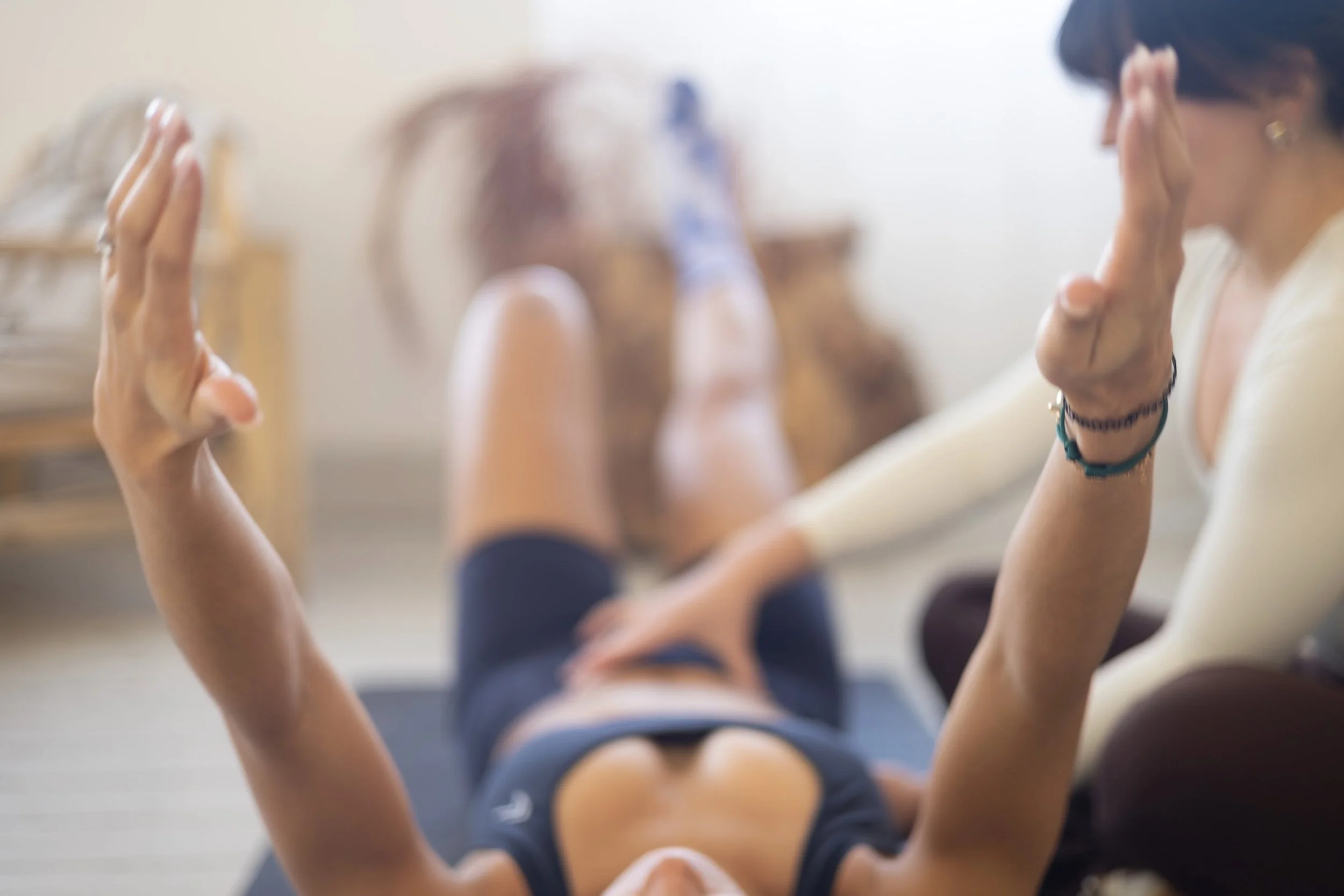
After giving birth, many women look forward to resuming physical activity—whether that means gentle walking, yoga, or returning to running and the gym. Exercise is incredibly beneficial for both body and mind, but the postpartum body needs time, assessment, and guidance before jumping back into high-impact activities.
Here’s what science and physiotherapy recommend about returning to exercise after birth.
Why Exercise Matters Postpartum
Evidence shows that safe, progressive exercise after birth can:
Improve cardiovascular fitness and overall energy levels
Support mental health and reduce risk of postpartum depression
Rebuild core and pelvic floor strength
Help with weight management and posture
But timing and type of exercise matter—going too fast can increase the risk of injuries or pelvic floor dysfunction.
When Can You Start Exercising Again?
Early weeks (0–6 weeks)
Gentle movement such as walking, breathing exercises, and posture work are encouraged as soon as you feel comfortable.
Focus on pelvic floor awareness and gentle core activation.
After 6–8 weeks
Medical clearance is essential before resuming structured exercise.
A postpartum physiotherapy check-up is strongly recommended to assess the pelvic floor, abdominal wall (diastasis), and overall readiness.
High-impact activities (running, jumping, HIIT)
Evidence-based guidelines recommend waiting at least 12 weeks, and only after clearance from a women’s health physiotherapist.
Criteria to return include: no leakage, no heaviness, no pain, and good core and hip strength.
How to Return Safely
Start slow: Low-impact exercises like walking, swimming, or cycling are good first steps.
Rebuild the core: Evidence shows deep abdominal and pelvic floor retraining is key before adding load.
Progress gradually: Increase intensity week by week, not overnight.
Watch for warning signs: Leakage, pelvic heaviness, pain, or bulging in the abdomen mean you need to stop and reassess.
Work with a physiotherapist: A women’s health physio can test your readiness and design a tailored program.
Why Physiotherapy Makes a Difference
Your physiotherapist will:
Assess your pelvic floor (always optional, internal exams are never mandatory)
Check abdominal healing and diastasis
Guide progressive, evidence-based exercises
Give the green light (or adaptations) for safe return to running, gym, or sport
Exercise after birth is not about rushing, it’s about rebuilding safely, step by step. With guidance from a women’s health physiotherapist and respect for your body’s healing timeline, you can return to the activities you love with strength and confidence.
✨ Ready to move again after birth? Book your postpartum physiotherapy session with Mathilde and get a safe, personalised plan for your return to exercise.
