Understanding and Healing Diastasis Recti
Many women notice a gap in their abdominal wall after pregnancy. This condition, called diastasis recti, is common, but it can be confusing and worrying if you don’t know what it means or how to recover safely. The good news? With the right assessment and guided rehabilitation, most women can heal and return to full strength.
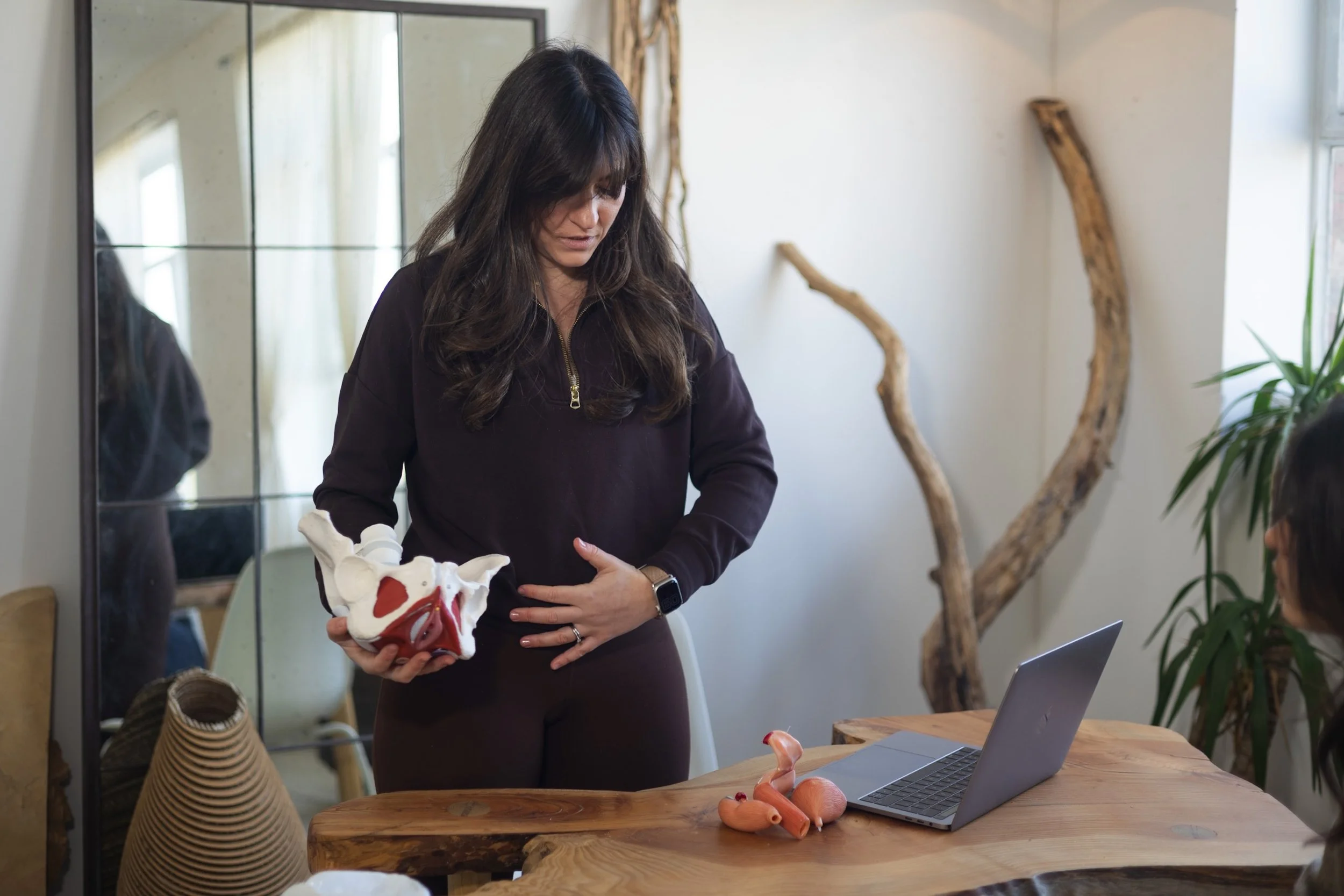
Diastasis Recti
What Is Diastasis Recti?
Diastasis recti is the separation of the two sides of the rectus abdominis muscle (“six-pack” muscle) along the midline (linea alba). It happens naturally during pregnancy as the growing uterus stretches the abdominal wall.
Research shows that around 60% of women have diastasis recti in the weeks after birth, but for many it improves with time and proper exercise.
Common Signs and Symptoms
A visible “gap” or bulge along the midline, especially when sitting up
Abdominal doming or coning during effort
Feeling of weakness or instability in the core
Lower back pain or poor posture
Sometimes associated with pelvic floor dysfunction
Healing Is Possible: Evidence-Based Approach
1. Early Recovery (0-8 weeks postpartum)
Focus on breathing techniques and gentle pelvic floor activation.
Avoid crunches, sit-ups, or heavy lifting.
Learn how to move (rolling to the side, standing up) without increasing pressure.
2. Guided Rehabilitation (after 6-8 weeks)
A women’s health physiotherapist will:
Assess the gap (width, depth, and tension of the linea alba, not just the number of fingers!)
Check for associated issues (pelvic floor, posture, breathing)
Prescribe targeted core exercises to restore function and tension, not just close the gap.
3. Progression to Strength and Sport
Research shows that safe, progressive strengthening can help restore function. This may include:
Deep core and oblique activation
Hip and glute strengthening
Gradual return to higher load exercises
Monitoring symptoms (no doming, no heaviness, no leakage)
When to Seek Professional Help
See a physiotherapist if you notice:
A gap that does not improve over time
Pain, bulging, or weakness affecting daily life
Leakage or pelvic heaviness alongside diastasis
Difficulty returning to exercise without symptoms
Diastasis recti is common, natural, and treatable. Healing is not about “closing the gap” at all costs—it’s about restoring core function, stability, and confidence. With physiotherapy and evidence-based exercise, most women can recover fully and return to the activities they love.
✨ Ready to heal your core? Book your postpartum physiotherapy appointment today with Mathilde at Renard Clinic and get a safe, personalised recovery plan.