Understanding Scar Healing: What’s Normal and What’s Not
After birth, whether through a C-section, a tear, or an episiotomy, your body begins the important process of scar healing. For many women, scars are not just physical but also emotional reminders of childbirth. Understanding what is normal in scar healing, and when to seek help, can make recovery smoother and safer.
Scar Healing
How Scar Healing Works
Healing follows the same stages, whether abdominal (C-section) or perineal (tear/episiotomy):
Inflammatory phase (0–7 days): swelling, tenderness, and redness are normal.
Proliferative phase (1–6 weeks): new tissue forms, the scar closes, and early itching or tightness may appear.
Remodelling phase (up to 12 months): the scar strengthens and may change colour and texture over time.
What’s Normal
Mild redness or pinkness (fades gradually)
Some itching, tingling, or pulling sensations
A firm or raised line during early healing
Sensitivity that improves with time
Slight asymmetry or uneven appearance
These are all part of the normal healing process.
What’s Not Normal – When to Seek Help
See a healthcare professional or physiotherapist if you notice:
Persistent or increasing pain
Excessive redness, swelling, or heat (signs of infection)
Bleeding or discharge from the scar
Scar that feels hard, lumpy, or stuck (possible adhesions)
Numbness, burning, or hypersensitivity that doesn’t improve
A sense of pelvic heaviness, bulging, or leakage (possible pelvic floor dysfunction)
How Physiotherapy Helps Scar Healing
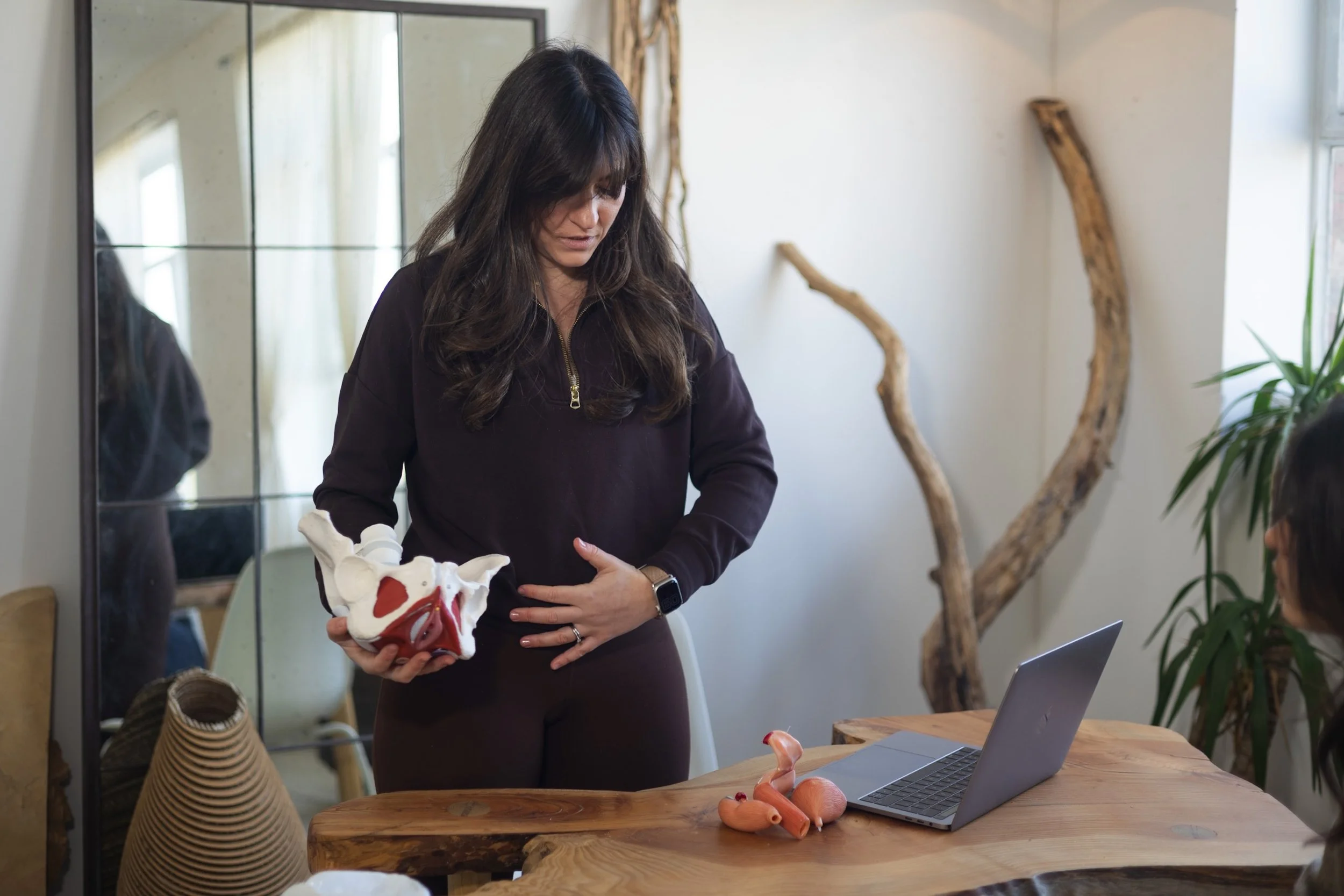
A women’s health physiotherapist can support scar recovery by:
Teaching gentle scar massage to reduce adhesions and improve mobility
Guiding safe movement and posture to avoid tension
Helping restore sensation and reduce sensitivity
Integrating pelvic floor and abdominal rehab for full functional recovery
💡 Important: Scar massage should only start once the wound is closed and you’ve had medical clearance.
Scars are a natural part of healing, but they should not cause ongoing pain or limit your recovery. Knowing what’s normal, and what’s not, gives you confidence and reassurance. With physiotherapy and evidence-based care, you can promote better scar healing, restore mobility, and feel comfortable in your body again.
✨ Need help with your scar recovery? Book a session with our women’s health physiotherapists Mathilde, at Renard Clinic for personalised support after C-section, tear, or episiotomy.