

The Role of the Pelvic Floor in Men’s Health
When people think about the pelvic floor, they often picture pregnancy or postpartum recovery. But the pelvic floor is just as important for men. These muscles, located at the base of the pelvis, play a crucial role in bladder, bowel, and sexual function and when they don’t work properly, quality of life suffers.
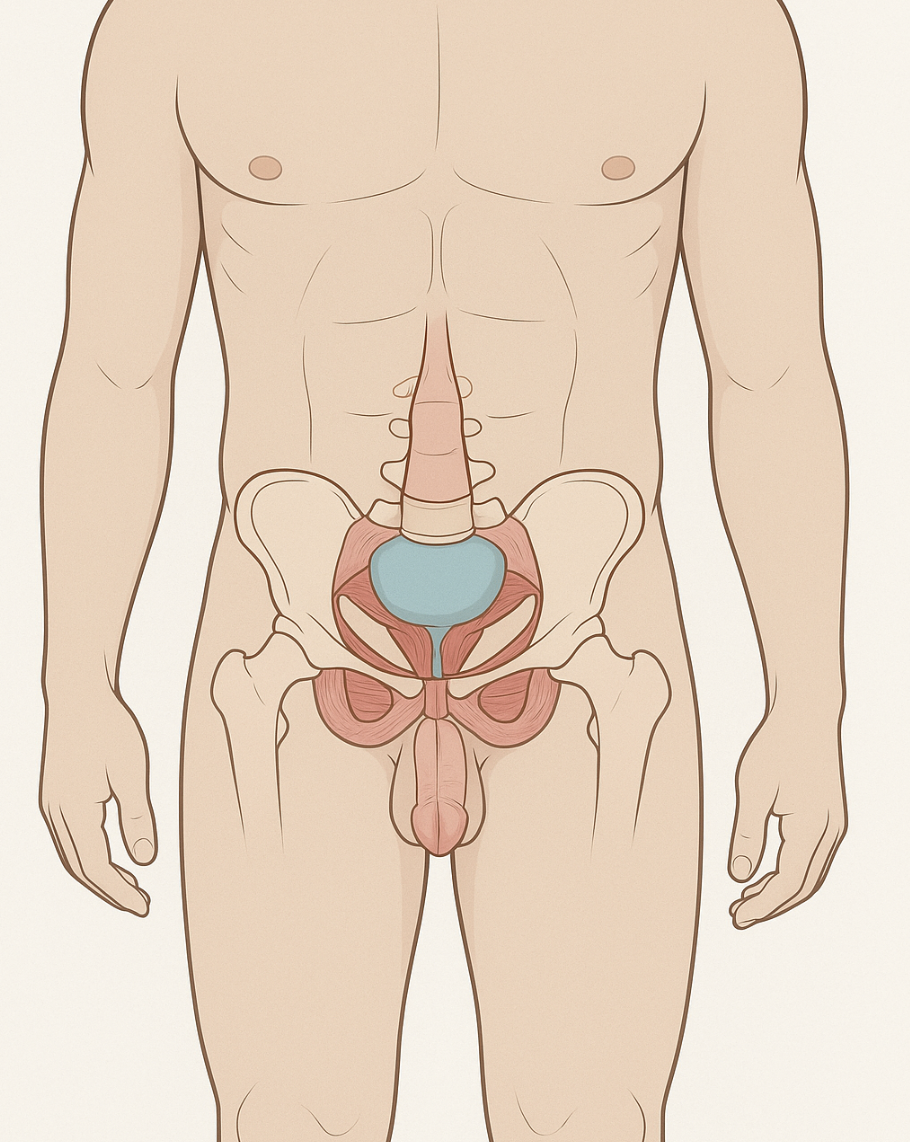
Education Pelvic Floor
What Is the Pelvic Floor?
The pelvic floor is a group of muscles and connective tissues that:
Support the bladder and bowel
Control continence (urine and stool)
Contribute to erections and ejaculation
Work with the core to stabilise posture and the spine
👉 In men, a healthy pelvic floor means better control, confidence, and sexual wellbeing.
Common Pelvic Floor Issues in Men
1. Bladder Health
Urinary leakage, especially after prostate surgery
Post-urination dribble
Urgency and frequency
2. Bowel Health
Constipation due to poor coordination
Difficulty controlling gas or stool
3. Sexual Function
Erectile dysfunction
Premature ejaculation
Pain with erections or ejaculation (linked to pelvic floor overactivity)
4. Pelvic Pain
Chronic pelvic pain syndrome (CPPS)
Pain in the perineum, testicles, or lower abdomen
How Physiotherapy Supports Men’s Pelvic Health
Evidence shows that pelvic floor physiotherapy can improve outcomes for men, especially after prostate surgery or with pelvic pain. A physiotherapist can:
Teach correct pelvic floor activation and relaxation
Use tools like biofeedback or ultrasound for precise training
Provide exercises to restore bladder and bowel control
Help manage chronic pelvic pain with manual therapy, breathing, and education
Support sexual health by reducing pelvic floor tension and improving circulation
💡 Internal assessment is always optional, many effective external techniques exist.
Lifestyle Strategies That Help
Maintain a healthy weight to reduce pressure on the pelvic floor
Stay active with regular, moderate exercise
Avoid straining on the toilet: use a footstool for better alignment
Limit bladder irritants (excess caffeine, alcohol, fizzy drinks)
Manage stress: tension often worsens pelvic floor overactivity
The pelvic floor is central to men’s bladder, bowel, and sexual health. Too often overlooked, it deserves as much attention in men as in women. With pelvic floor physiotherapy and lifestyle strategies, men can prevent problems, recover after surgery, and improve quality of life.
✨ Ready to take control of your pelvic health? Book a consultation with our men’s pelvic health physiotherapists at Renard Clinic.