How Palpé-Roulé Helps Reduce Fibrosis and Improve Scar Mobility After Surgery
After surgery, healing doesn’t always stop when the wound closes. For many patients, fibrosis (hardening of tissue) and stiff scars can appear weeks or months later. This can cause discomfort, tightness, and even limit movement.
One technique widely used in France and increasingly recognised abroad is palpé-roulé, also known as manual tissue rolling. But how does it help with fibrosis and scar care?
What Is Fibrosis?
Fibrosis is the overproduction of collagen during healing. Instead of a smooth, flexible scar, the tissue becomes:
Thick or lumpy under the skin
Hard, stiff, and less mobile
Sometimes painful or pulling with movement
👉 Fibrosis is common after aesthetic surgery (liposuction, abdominoplasty), orthopaedic surgery, or oncological procedures (mastectomy, C-section, pelvic surgery).
How Palpé-Roulé Works
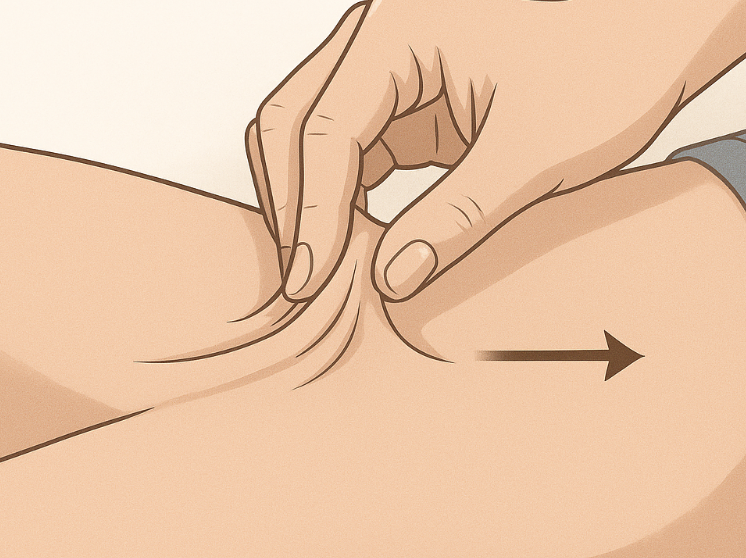
The term palpé-roulé means “pinch and roll.” The physiotherapist:
Gently pinches a fold of skin and tissue.
Rolls it between the fingers and thumbs.
Moves it along the scar or fibrotic area.
This creates a mechanical stimulation of the scar and fascia, which:
Breaks down adhesions between layers of tissue
Improves blood and lymph circulation to the area
Stimulates collagen remodelling for a smoother scar
Restores tissue flexibility and mobility
Benefits for Post-Surgery Recovery
Reduces fibrosis → prevents hard lumps under the skin
Improves scar mobility → skin glides more freely over underlying tissue
Decreases discomfort → less pulling or pain with movement
Optimises aesthetic results → smoother skin, more natural contour
Supports function → especially important for scars near joints, chest, or abdomen
When Is It Used?
Usually introduced after the scar is fully closed and healed, under physiotherapist guidance.
Early phases of recovery often focus on lymphatic drainage to reduce swelling → palpé-roulé comes later, once tissues can tolerate deeper mobilisation.
What the Evidence Says
Studies on scar mobilisation techniques (including tissue rolling) show benefits in scar pliability, pain reduction, and fibrosis prevention.
Best results occur when combined with other scar management strategies like silicone therapy, compression, exercise, and lymphatic drainage.
Fibrosis and stiff scars are common after surgery, but they don’t have to be permanent. With techniques like palpé-roulé, physiotherapists can restore scar mobility, reduce fibrosis, and improve both comfort and cosmetic outcomes.
✨ Struggling with tight or fibrotic scars after surgery? Book a consultation with our physiotherapists at Renard Clinic to explore safe, evidence-based scar care techniques like palpé-roulé.