Is Pilates Safe During Pregnancy?
Pregnancy is a transformative journey that brings incredible changes to your body and staying active can play a vital role in keeping you strong, comfortable, and confident throughout. Among the many exercise options available, Pilates has become one of the most popular choices for expecting mothers.
But is it truly safe during pregnancy? And what are the real benefits and precautions you should know before getting started?
In this article, we’ll explore how Pilates can support your pregnancy, what modifications are essential, and why guidance from a women’s health physiotherapist can make all the difference.
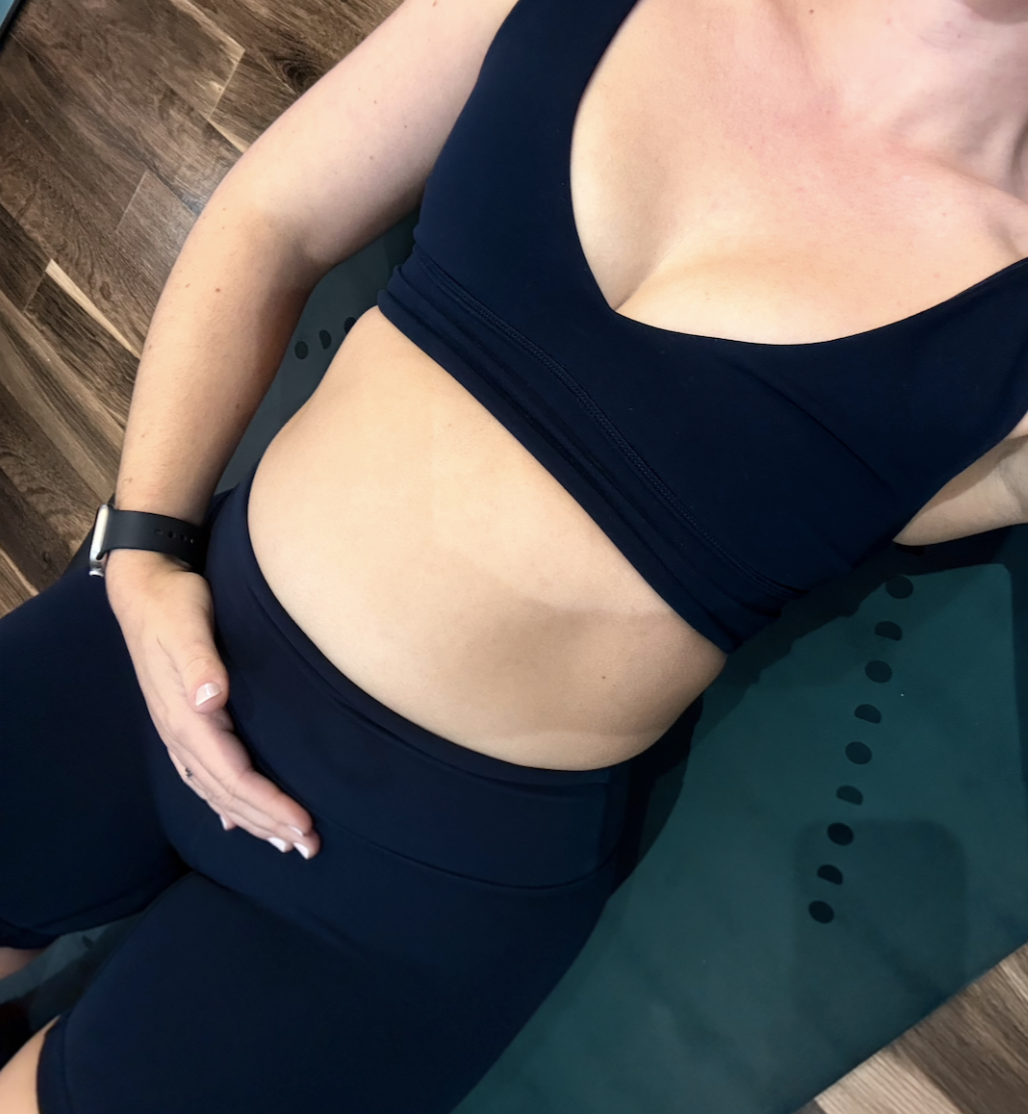
pregancy & pilates
WHAT IS PILATES AND WHY IS IT BENEFICIAL DURING PREGNANCY
Pilates is a low-impact exercise method focusing on core strength, posture, breathing, and body awareness. It helps develop stability in the deep muscles of your abdomen, back, and pelvis, areas that undergo major changes during pregnancy.
When practiced safely, Pilates can:
Strengthen the core and pelvic floor
Improve posture and reduce back pain
Enhance balance and coordination
Promote relaxation and mindful breathing
Prepare your body for labor and recovery
Unlike high-impact workouts, Pilates can be easily adapted to each stage of pregnancy, making it a gentle yet effective form of movement.
WHY PILATES CAN BE A GREAT CHOICE FOR EXPECTANT MOTHERS
1. Supports the Pelvic Floor
Pregnancy naturally puts stress on your pelvic muscles. Pilates helps you learn how to activate and relax the pelvic floor, improving control and minimizing the risk of leakage or prolapse after delivery.
2. Reduces Back and Pelvic Pain
As your baby grows, your center of gravity shifts, and posture can change. Strengthening your deep abdominal and spinal stabilizers helps ease tension and supports your lower back.
3. Promotes Better Breathing and Relaxation
Breath control is central to Pilates, and learning how to coordinate breath with movement can be invaluable for both labor and stress management.
4. Builds Body Awareness and Confidence
Pilates encourages mindful connection to your body, helping you feel more in tune with how it changes throughout pregnancy and empowering you during birth and recovery.
PRECAUTIONS: WHEN AND HOW TO MODIFY PILATES DURING PREGNANCY
While Pilates is generally safe, certain exercises should be modified or avoided, especially as your pregnancy progresses.
Here are key precautions:
Avoid lying flat on your back after the first trimester, as it may restrict blood flow.
Skip intense abdominal crunches or exercises that cause coning along your belly.
Be cautious with deep twists or high-resistance moves.
Focus on stability and alignment rather than intensity.
Always listen to your body, stop if you feel pain, dizziness, or discomfort.
Always ask your specialist if it’s okay (gynecologist, midwife etc)
HOW A WOMEN’S HEALTH PHYSIOTHERAPIST CAN HELP
Working with a physiotherapist specialized in pregnancy and postpartum care ensures your Pilates practice is tailored to your body’s needs and stage of pregnancy.
Your physiotherapist can:
Assess your pelvic floor and core strength
Teach safe modifications for each trimester
Guide you through breathing and relaxation techniques
Help you prevent or manage pelvic pain and other symptoms
Support your recovery plan after birth
This personalized approach helps you move safely and confidently, protecting both you and your baby.
WHEN TO START PRENATAL PILATES
Most women can start or continue Pilates throughout pregnancy, with adaptations made as the body changes.
If you’re new to exercise, begin with a gentle prenatal program under professional supervision.
Always consult your doctor or physiotherapist before starting any new workout routine.
SIMPLE TIPS FOR SAFE PILATES AT HOME
Focus on breathing, inhale to expand your ribs, exhale to gently engage your core.
Use props like pillows or wedges for comfort and support.
Stay hydrated and avoid overheating.
Combine Pilates with gentle walks or stretching for overall wellness.
Never push through pain, pregnancy fitness is about balance, not performance.
Pilates can be an incredibly safe and empowering form of exercise during pregnancy when practiced mindfully. It supports your strength, posture, and pelvic health, all while preparing your body for childbirth and recovery.
With expert guidance, Pilates can help you feel strong, centered, and confident throughout your journey into motherhood.
✨ Ready to start prenatal Pilates safely? Book an appointment today with our women’s health physiotherapist.
✨ Any questions? Get in touch, we’re here to support you every step of the way.