How to Take Care of Your Scars: What’s Normal and What’s Not
Every surgery, injury, or birth leaves a scar. Most of the time, scars heal well and fade naturally. But sometimes they feel tight, itchy, or even painful, and many people wonder: is this normal?
Here’s what you need to know about what’s normal during scar healing, what isn’t, and how to take care of your scars for the best recovery.
What’s Normal in Scar Healing?
Scars heal in phases, and each stage brings expected changes:
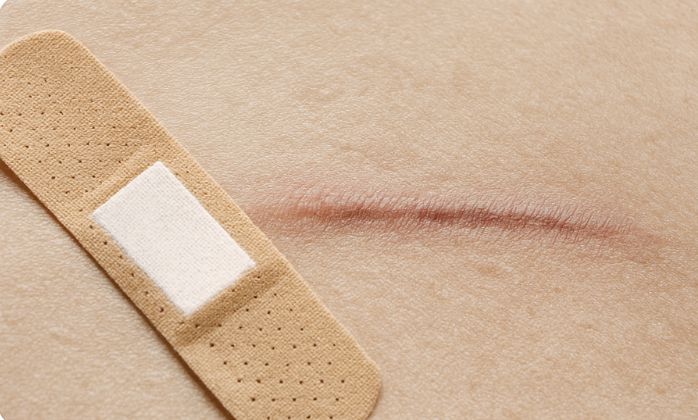
Red or pink colour → most scars look red for the first few months. They gradually fade.
Firm or raised texture → collagen builds up during healing, so scars often feel thicker at first.
Itchiness or tingling → nerve endings are repairing, which can cause temporary itching.
Pulling sensation → especially common in abdominal scars (like C-sections) or near joints.
👉 These changes usually improve within 6-12 months as the scar matures.
What’s Not Normal
Some warning signs mean your scar may need extra attention:
Persistent or increasing pain
Excessively raised, hard, or lumpy tissue (fibrosis or keloid scar)
Restricted movement → e.g., shoulder stiffness after mastectomy, tight abdomen after C-section
Signs of infection → redness, warmth, pus, fever
Burning, hypersensitivity, or numbness that doesn’t improve over time
👉 If you notice any of these, seek advice from your physiotherapist or doctor.
How to Take Care of Your Scar
1. Protect in the Early Phase
Follow your surgeon’s wound care instructions.
Once closed, protect from sunlight use SPF 30+ to prevent permanent darkening.
2. Moisturise and Hydrate
Use a simple, fragrance-free cream or oil.
Daily hydration supports elasticity and comfort.
3. Gentle Scar Massage
Once the scar is closed and approved by your healthcare provider.
Helps prevent adhesions, reduce tightness, and improve glide.
Techniques include small circles, gentle stretching, or lifting the tissue.
4. Silicone Therapy
Sheets or gels are strongly supported by research.
Reduce redness, thickness, and itching.
5. Keep Moving
Gentle stretching and mobility exercises prevent stiffness around the scar.
Physiotherapists can tailor safe exercises for your stage of healing.
What the Evidence Says
Scar massage improves scar pliability, pain, and mobility.
Silicone sheets/gels are one of the most effective treatments for hypertrophic scars.
Early physiotherapy interventions (massage, mobilisation, exercise) reduce long-term restrictions and adhesions.
Some tightness, redness, or itching is perfectly normal in a healing scar. But persistent pain, stiffness, or raised tissue should never be ignored. With the right care, moisturising, massage, silicone, and guided physiotherapy, you can support scar healing, improve comfort, and protect your long-term mobility.
✨ Unsure if your scar is healing normally? Book a session with our physiotherapists at Renard Clinic for safe, evidence-based scar care and recovery.