

Functional Core Training vs. Traditional Crunches: What Athletes Really Need
For decades, athletes were told to do sit-ups and crunches to “build core strength.” But modern sports science shows that a strong core isn’t just about six-pack muscles, it’s about stability, power transfer, and injury prevention.
So, what’s the difference between traditional crunches and functional core training? And which should athletes prioritise?
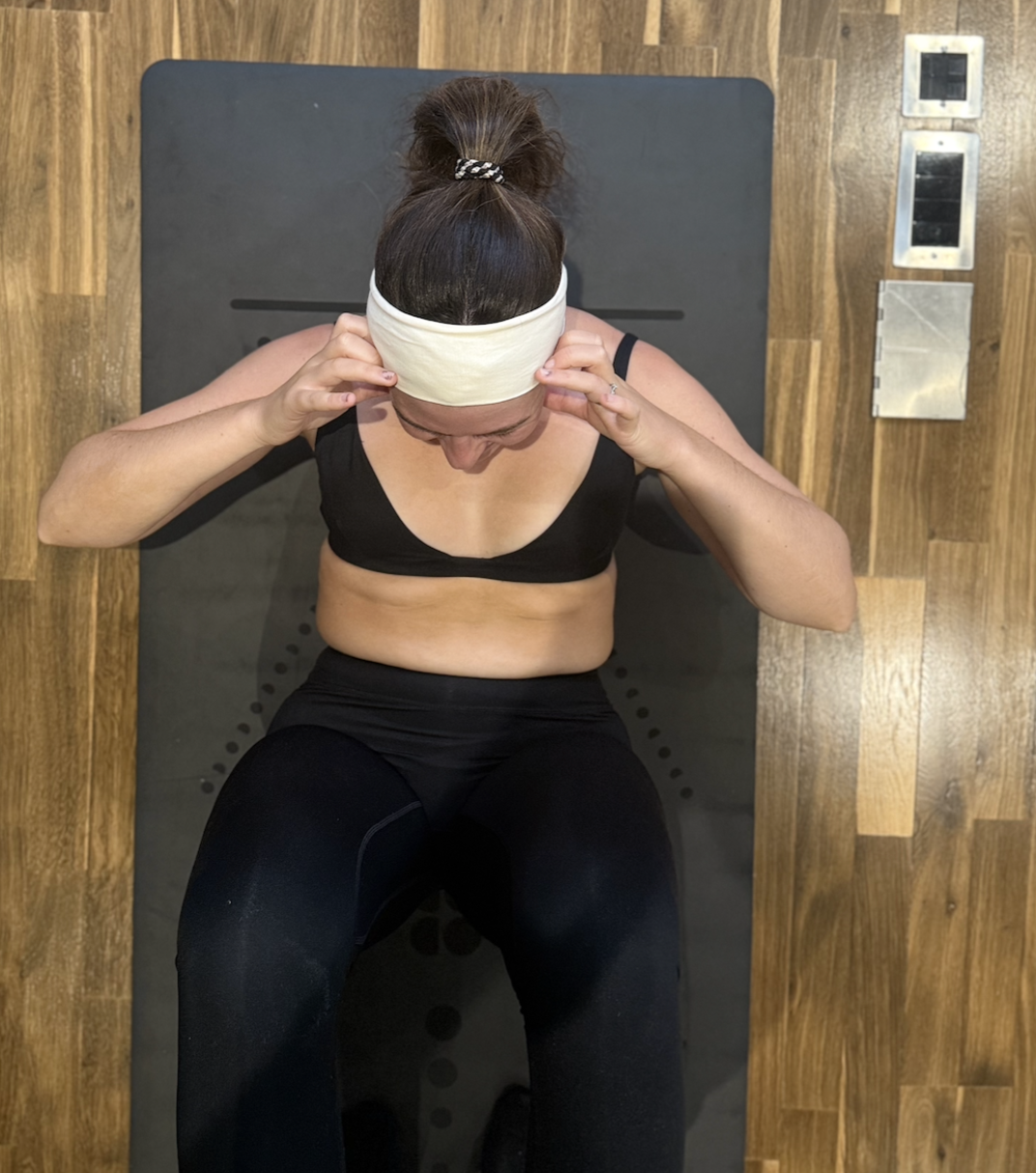
What Is the Core, Really?
The “core” is more than your abs. It’s a system of muscles working together, including:
Deep stabilisers (transversus abdominis, multifidus, pelvic floor, diaphragm)
Abdominals (rectus abdominis, obliques)
Hip and back muscles (glutes, erector spinae, QL)
👉 Together, these muscles create a stability canister, supporting posture, breathing, and movement.
The Problem with Traditional Crunches
Crunches mainly target the rectus abdominis (the six-pack muscle). While they can build muscle endurance, they:
Don’t train the deeper stabilisers
Don’t replicate sport-specific movements
Can overload the spine if done excessively
Don’t improve balance, coordination, or power transfer
In short: crunches alone won’t give athletes the core strength they need.
Functional Core Training: What Athletes Really Need
Functional training focuses on how the core works in sport, stabilising, transferring power, and resisting unwanted movement.
Key Components:
Anti-Movement Training
Anti-rotation: Pallof press
Anti-extension: Plank variations
Anti-lateral flexion: Suitcase carries
Dynamic Stability
Dead bugs and bird dogs
Cable or band resisted movements
Power Transfer
Medicine ball throws
Rotational lifts (chops and lifts)
Integrated Training
Squats, deadlifts, and lunges with proper bracing
Olympic lifts for advanced athletes
👉 These exercises reflect how the core works in real sport: resisting, stabilising, and transmitting force.
Why Functional Core Matters for Athletes
Injury prevention: a strong, stable core reduces risk of back, hip, and knee injuries.
Performance: efficient transfer of force means more power in sprints, throws, and swings.
Endurance: stabilisation allows athletes to maintain technique under fatigue.
Evidence: Studies show functional, stability-focused core programs outperform crunches in improving balance, agility, and sport performance.
Crunches may build ab endurance, but functional core training builds athleticism. Athletes need their core to stabilise, resist, and transfer power, not just look good.
If you want to prevent injuries and perform at your best, ditch the endless crunches and train your core the way it was designed to work.
✨ Want to upgrade your core training? Book a session with our sports physiotherapists at Renard Clinic and get a tailored program to build true athletic strength.