Core Stability in Sport: Why a Strong Core Improves Performance and Prevents Injuries
Ask any coach or physiotherapist, and they’ll tell you: a strong core is the foundation of athletic performance. But what exactly is core stability, and why does it matter so much for sport?
The truth is, core stability goes far beyond “having abs.” It’s about controlling movement, transferring power, and protecting the body from injury.
What Is Core Stability?
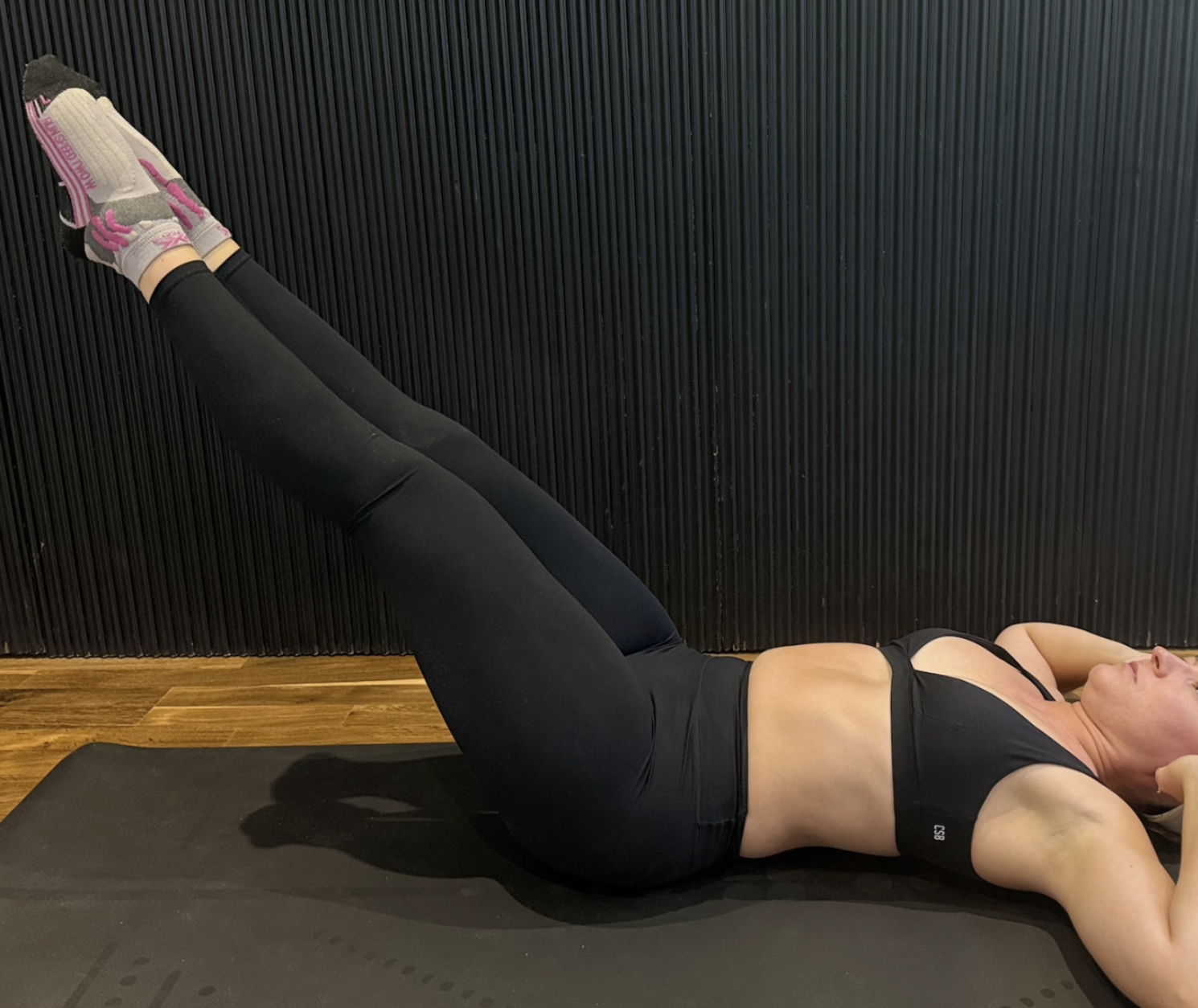
The “core” is not just your six-pack. It’s a system of muscles working together to stabilise the trunk:
Deep stabilisers: transversus abdominis, pelvic floor, multifidus, diaphragm
Abdominals: rectus abdominis, obliques
Back and hip muscles: glutes, erector spinae, quadratus lumborum
👉 Core stability is the ability to keep the spine and pelvis controlled while the arms and legs move, whether sprinting, throwing, or lifting.
Why Core Stability Matters in Sport
1. Efficient Power Transfer
Every movement in sport begins in the trunk. A stable core allows power from the legs to transfer efficiently to the upper body (and vice versa).
In sprinting: hips drive, trunk stabilises, arms pump.
In tennis or golf: rotation starts in the core and transmits to the racket or club.
2. Injury Prevention
Weak or unstable cores increase strain on the knees, hips, and shoulders. Common issues linked to poor core stability include:
Low back pain
Hamstring strains
Knee valgus injuries (e.g. ACL tears)
Overuse shoulder injuries
3. Better Movement Control
A strong core helps athletes:
Maintain balance during sudden changes of direction
Land safely from jumps
Resist unwanted movements (twists, bends) that can cause injury
Evidence Behind Core Training
Research shows core stability programs reduce injury rates in athletes, particularly in lower limbs (Hübscher et al., 2010).
Core-focused rehab improves return-to-sport outcomes after knee and hip injuries.
Functional core training enhances agility, sprint performance, and rotational power.
How to Train Core Stability
Forget endless crunches, core stability is about quality, control, and function.
Foundational Core Exercises
Dead bug
Bird dog
Side plank
Anti-Movement Training
Pallof press (anti-rotation)
Plank walkouts (anti-extension)
Suitcase carry (anti-lateral flexion)
Sport-Specific Integration
Medicine ball rotational throws
Squats, deadlifts, lunges (with proper bracing)
Agility drills with trunk control
In sport, your core is more than muscle, it’s your body’s engine of stability and power. A strong, stable core improves performance, prevents injuries, and keeps athletes resilient under pressure.
If you want to level up your training, focus on building functional core stability, not just abs.
✨ Want to optimise your performance and prevent injuries? Book a session with our sports physiotherapists at Renard clinic for a tailored core stability program.