Best Products & tools for scar care (that actually work)
After a C-section, tear, or episiotomy, scar care is an essential part of postpartum recovery. Scars can sometimes feel tight, painful, or restricted, but the right products and tools can support healing, improve mobility, and reduce discomfort.
Here’s a physiotherapist’s guide to evidence-based scar care essentials.
Tools for scar
1. Gentle Moisturising Creams & Oils
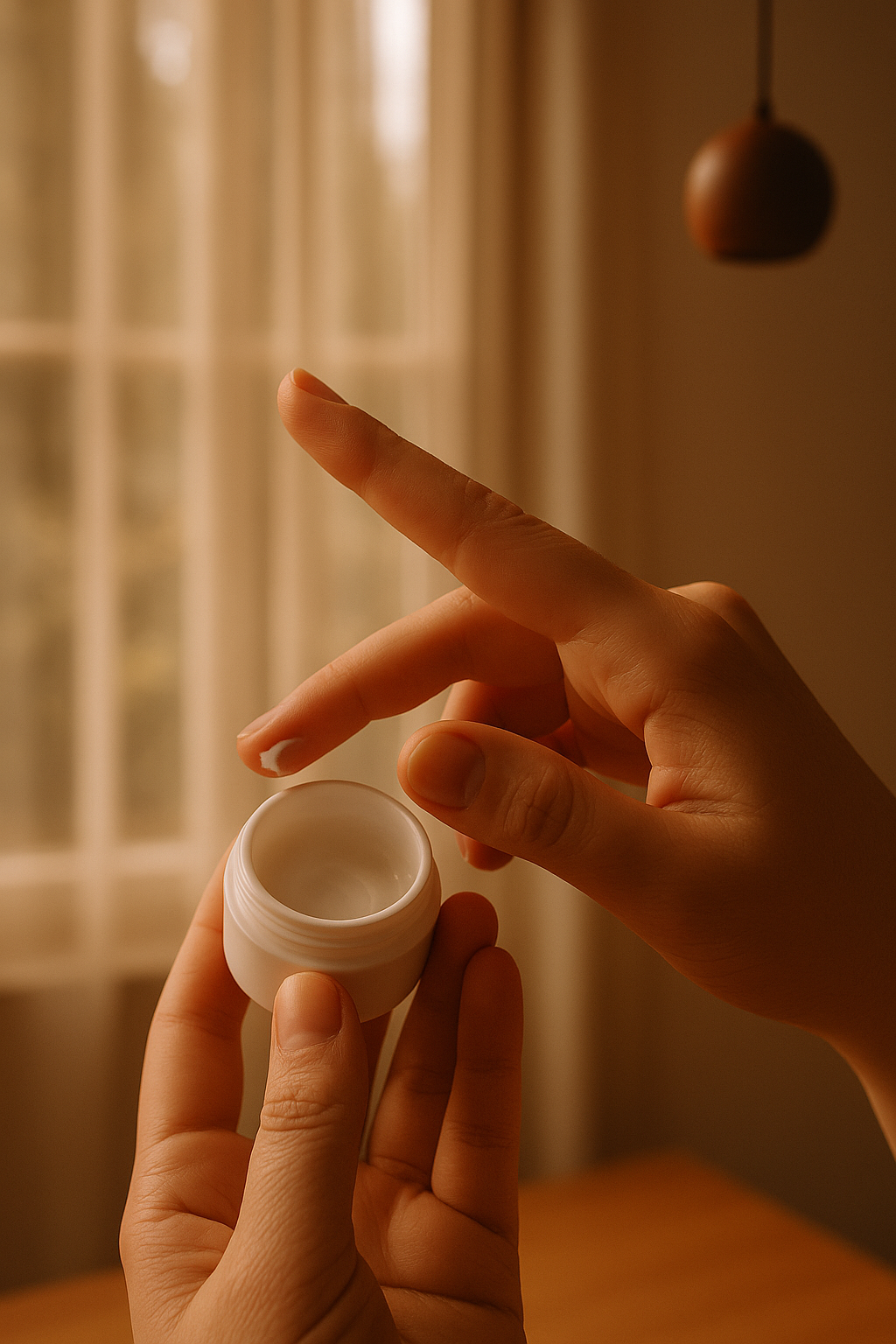
Hydration helps soften scar tissue and makes massage easier. Choose neutral, fragrance-free creams or oils to avoid irritation. Examples include:
Natural oils (almond, grapeseed, or vitamin E)
Unscented moisturising creams
Medical-grade scar gels (silicone-based)
💡 Tip: Always patch test new products before applying directly on your scar.
2. Silicone Sheets & Gel
Silicone is one of the most evidence-based treatments for scars. Research shows it can:
Reduce redness and thickness
Improve flexibility
Decrease itching and sensitivity
Silicone sheets or gels are easy to apply and can be worn under clothing. They are especially useful for C-section scars.
3. Scar Massage Tools
Massage is a key step in scar recovery. While your fingers are the best starting tool, certain aids can help:
Massage rollers: small handheld tools that make gentle pressure easier.
Textured balls: help stimulate sensation in sensitive or numb areas.
Silicone cups (ventouses): when used carefully under physiotherapist guidance, they create gentle suction that helps lift scar tissue, improve circulation, and reduce adhesions.
👉 Cupping should always be introduced gradually and only after full healing.
4. Warm Compress or Heat Pack
Gentle heat can relax tight tissues before massage, making the area more comfortable and pliable. Always check the temperature to avoid burns.
5. Professional Support
No tool replaces professional guidance. A women’s health physiotherapist can:
Show you how to use tools like silicone cups safely
Adapt scar care to your stage of recovery
Combine scar therapy with pelvic floor and core rehab for complete healing
What to Avoid
❌ Aggressive scrubbing or harsh chemicals
❌ Starting massage before the wound has healed
❌ Excessive pressure that causes pain, redness, or swelling
The best scar care is simple, consistent, and evidence-based. Hydration, silicone products, gentle massage, and tools like rollers or cups, combined with physiotherapy guidance, can make a big difference in how your scar looks, feels, and functions.
✨ Want personalised scar care? Book your session at Renard Clinic to learn safe, effective techniques and the right tools for your recovery.