Why Scar Tissue Can Become Tight And How to Release It
Scars are a natural part of healing after surgery, injury, or childbirth. But sometimes, they don’t just fade, they can feel tight, stiff, or even painful. This tightness isn’t just cosmetic; it can limit movement and affect daily comfort.
So why does scar tissue become tight, and what can you do about it?
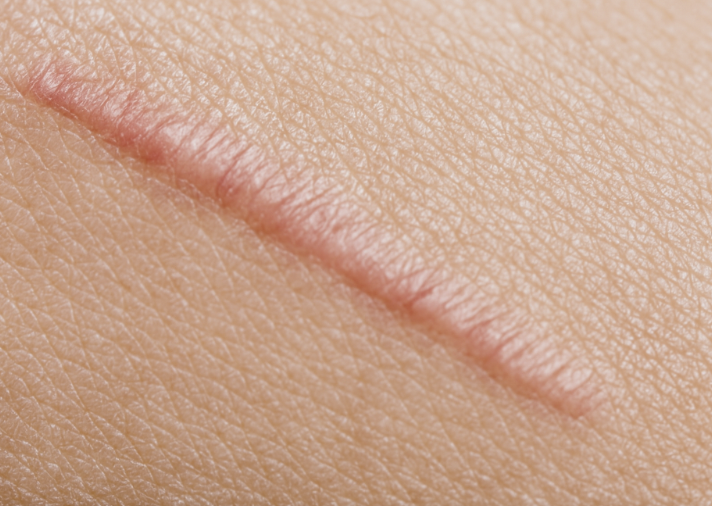
scar massage
Why Scar Tissue Becomes Tight
When the body repairs itself, it produces collagen. Unlike normal skin, scar tissue collagen is:
Laid down quickly and in a disorganised pattern.
Less elastic than healthy skin.
Prone to forming adhesions, where the scar sticks to deeper layers (muscles, fascia).
This can lead to:
Pulling sensations
Restricted mobility (e.g. difficulty stretching after C-section or joint surgery)
Local pain or discomfort
Secondary issues like poor posture or compensatory movements
👉 The larger or deeper the surgery, the higher the chance of scar tightness.
Common Situations Where Tight Scars Cause Problems
C-section scars → pulling in the lower abdomen, affecting core activation.
Mastectomy scars → tightness in the chest wall and shoulder, limiting arm mobility.
Orthopaedic scars → knee, hip, or ankle scars restricting joint range.
Aesthetic surgery scars → fibrosis or contour irregularities.
How to Release Tight Scar Tissue
1. Scar Massage and Mobilisation
Gentle circular, lifting, and stretching techniques.
Helps break down adhesions and restore tissue glide.
Best learned with guidance from a physiotherapist.
2. Manual Techniques Like Palpé-Roulé
Pinch-and-roll technique that mobilises skin and fascia.
Particularly effective against fibrosis and stiffness.
3. Lymphatic Drainage
Reduces swelling and tissue congestion around the scar.
Supports mobility and comfort in the early healing phases.
4. Stretching and Movement
Functional stretches help integrate scar tissue into whole-body movement.
Example: chest opening exercises after breast surgery.
5. Tools and Adjuncts
Silicone sheets/gels → improve flexibility and appearance.
Cupping or massage tools (used by physios) → enhance tissue release.
What the Evidence Says
Studies show scar massage improves pliability, pain, and mobility.
Manual therapy techniques (including tissue rolling and mobilisation) are effective in preventing and reducing adhesions.
Combining manual therapy with exercise and self-care gives the best long-term results.
Scar tightness is common, but it’s not something you have to live with. With the right approach, including massage, tissue mobilisation, and guided exercise, scars can become softer, more flexible, and less painful.
✨ Feeling restricted by scar tightness? Book a session with our physiotherapists at Renard Clinic to explore safe, evidence-based ways to release scar tissue and restore comfort.