Understanding Adhesions: When Scars Affect Your Mobility
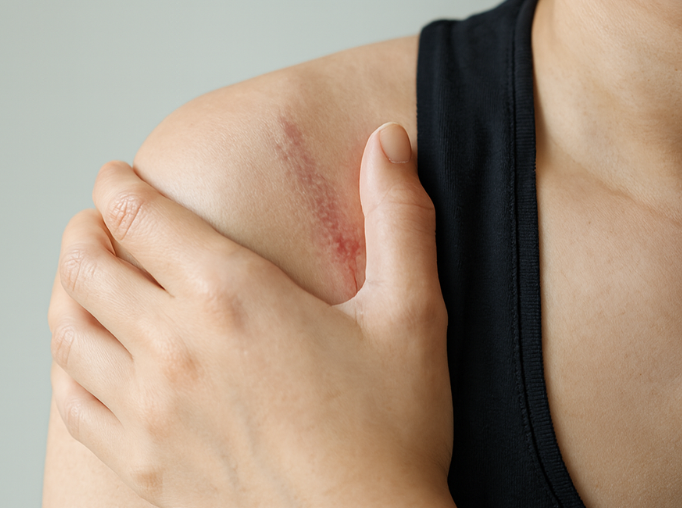
After surgery or injury, it’s normal for scars to form as part of the healing process. But sometimes, scars don’t just stay on the surface. They can create adhesions, bands of scar tissue that stick layers of tissue together.
When this happens, scars can affect more than appearance, they can limit movement, cause pain, and impact daily life.
scar mobility
What Are Adhesions?
Normally, skin, fascia, muscles, and organs glide smoothly against each other. Adhesions occur when scar tissue forms connections between these layers, making them less mobile.
Think of it like glue: instead of sliding freely, tissues stick together.
Why Do Adhesions Form?
Surgery → C-section, mastectomy, abdominal or joint operations.
Injury or trauma → burns, deep cuts, muscle tears.
Inflammation → infections or chronic conditions can trigger scar formation.
👉 Adhesions are the body’s way of stabilising damaged tissue, but they can create new problems.
How Adhesions Affect Mobility
Restricted movement → shoulder stiffness after mastectomy, abdominal tightness after C-section, limited knee bend after surgery.
Pain or pulling sensations → scars that feel tight or “stuck.”
Secondary issues → posture changes, compensatory movements, reduced athletic performance.
Internal adhesions → in the abdomen or pelvis, they can even affect digestion or pelvic organ mobility.
How Physiotherapy Helps Release Adhesions
1. Manual Scar Mobilisation
Gentle massage, lifting, and stretching of the scar.
Improves glide between skin, fascia, and muscle.
2. Palpé-Roulé (Tissue Rolling)
Pinch-and-roll technique to reduce fibrosis and restore elasticity.
3. Lymphatic Drainage
Reduces swelling and tissue congestion, especially in early healing.
4. Movement and Stretching
Functional stretches restore range of motion.
Example: chest opening exercises after breast surgery, abdominal stretches after C-section.
5. Adjunct Tools
Silicone therapy (sheets or gels)
Cupping or mobilisation devices (used by physios)
What the Evidence Says
Studies confirm scar mobilisation improves scar pliability, pain, and mobility.
Early physiotherapy reduces the risk of long-term adhesions.
Combining manual therapy with exercise and self-care is most effective.
Adhesions are a common but often overlooked part of healing. They can turn a simple scar into a source of pain or stiffness, but the good news is that physiotherapy offers safe, effective ways to release them.
With manual therapy, scar mobilisation, and tailored exercises, you can restore mobility, reduce discomfort, and feel more at ease in your body.
✨ Feeling restricted by scar adhesions? Book a consultation with our physiotherapists at Renard Clinic for expert, evidence-based scar and mobility care.